Gardens that hold the hill.
Native planting, sandstone walls and spotted gum decks for sloping blocks, from Maleny down to the coast.

- Native planting
- Sandstone retaining walls
- Spotted gum decks
- Drainage that copes with storms
- Irrigation
- Paths and steps
- Privacy screens
Recent gardens
Most of these started as a slope, a drainage problem or a lawn nobody used.
-
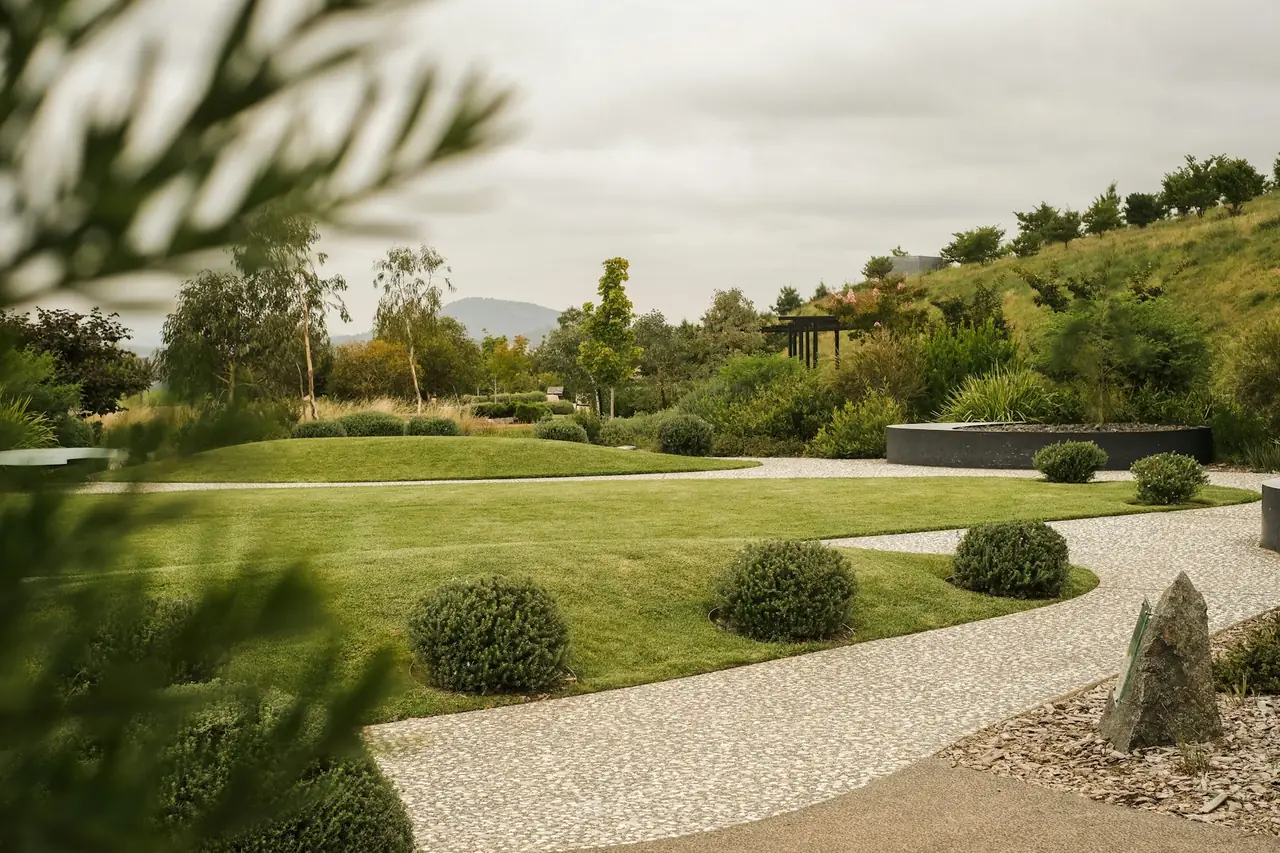
Terraced native garden
Montville
Three sandstone retaining walls turned an unusable slope into beds of lomandra, grevillea and native grasses.
-
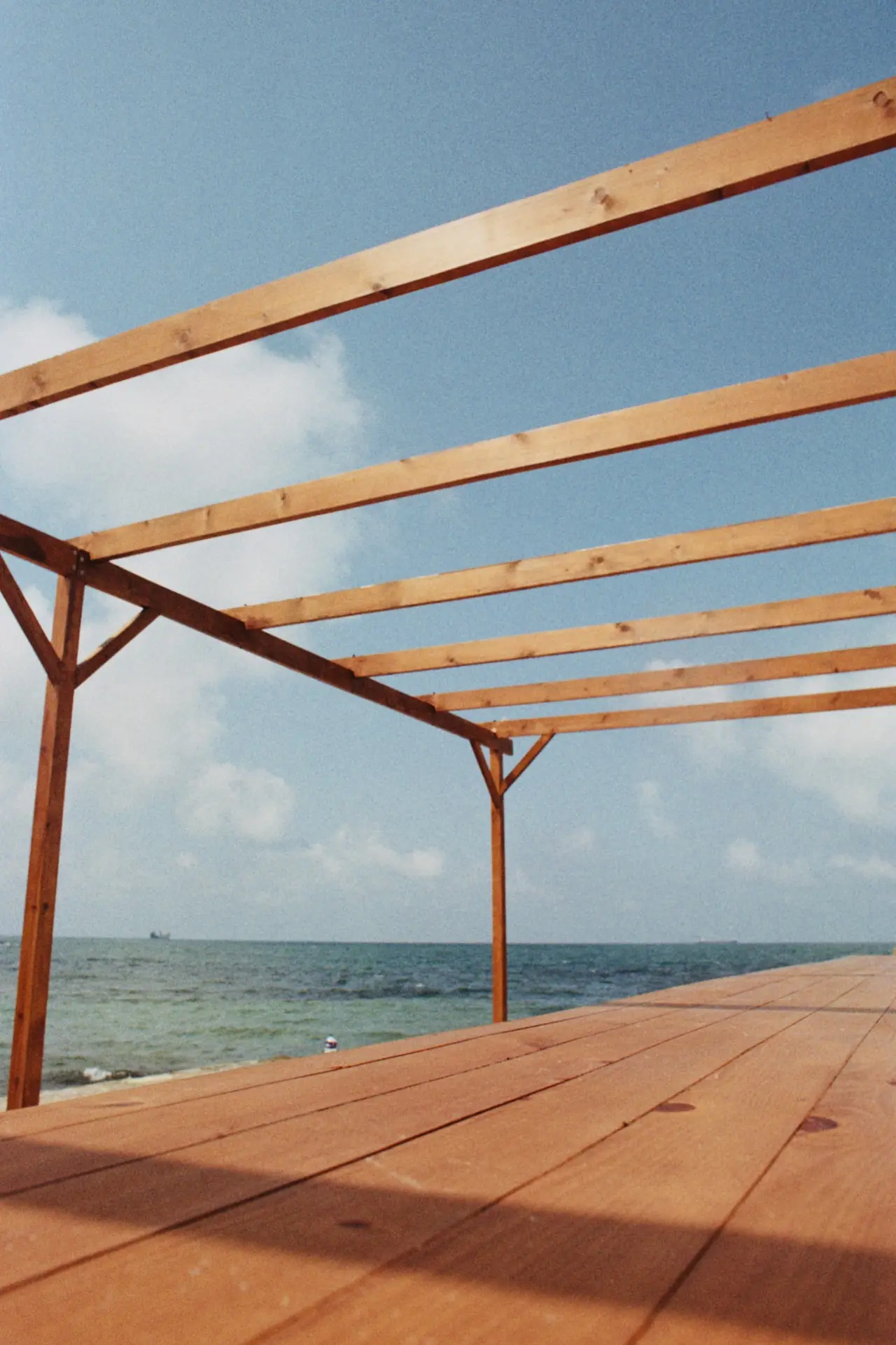
Spotted gum deck and privacy screen
Maleny
A level deck off the living room, with a slatted screen to the neighbours.
-
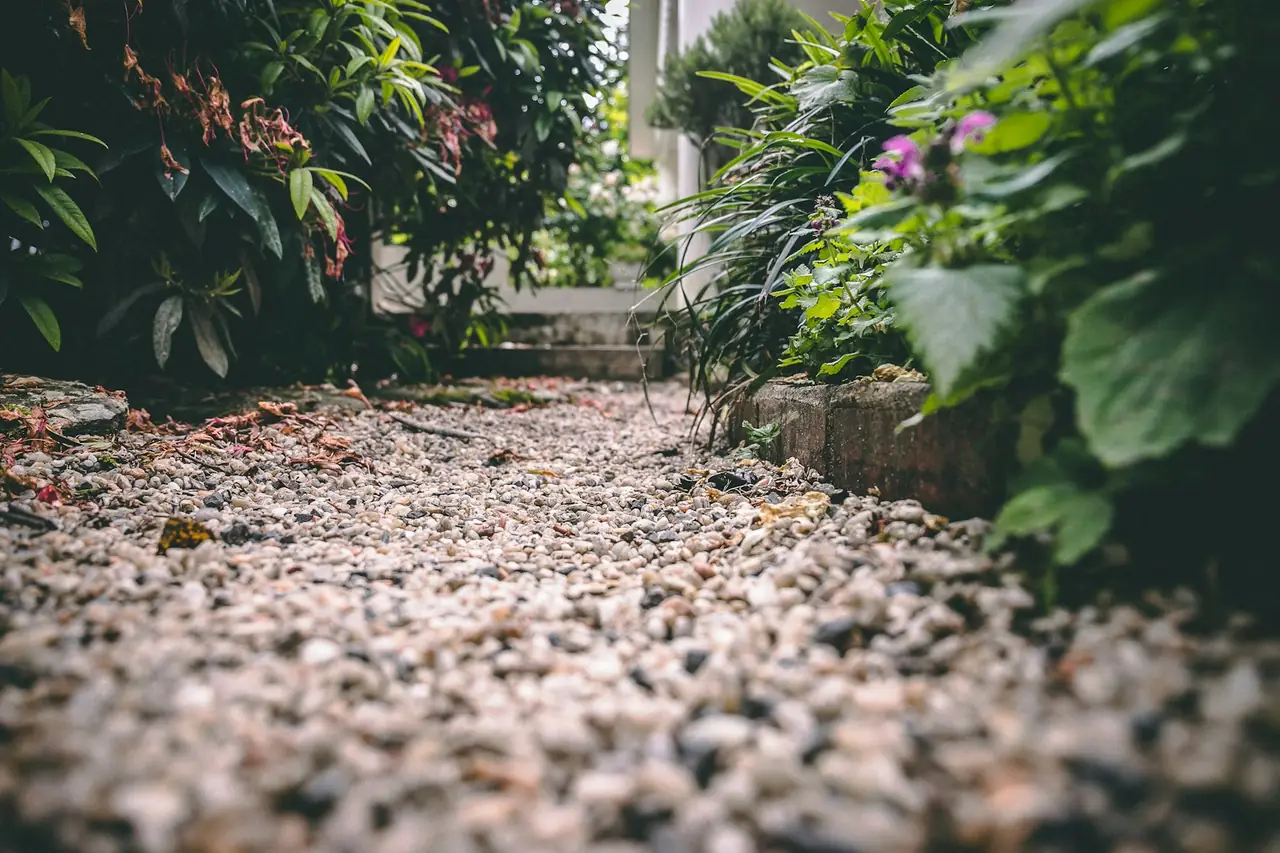
Low-water front garden
Buderim
Swapped a struggling lawn for hardy natives on drip irrigation.
-

Pool surrounds and planting
Mooloolaba
Sandstone paving and salt-tolerant planting around an existing pool.
-
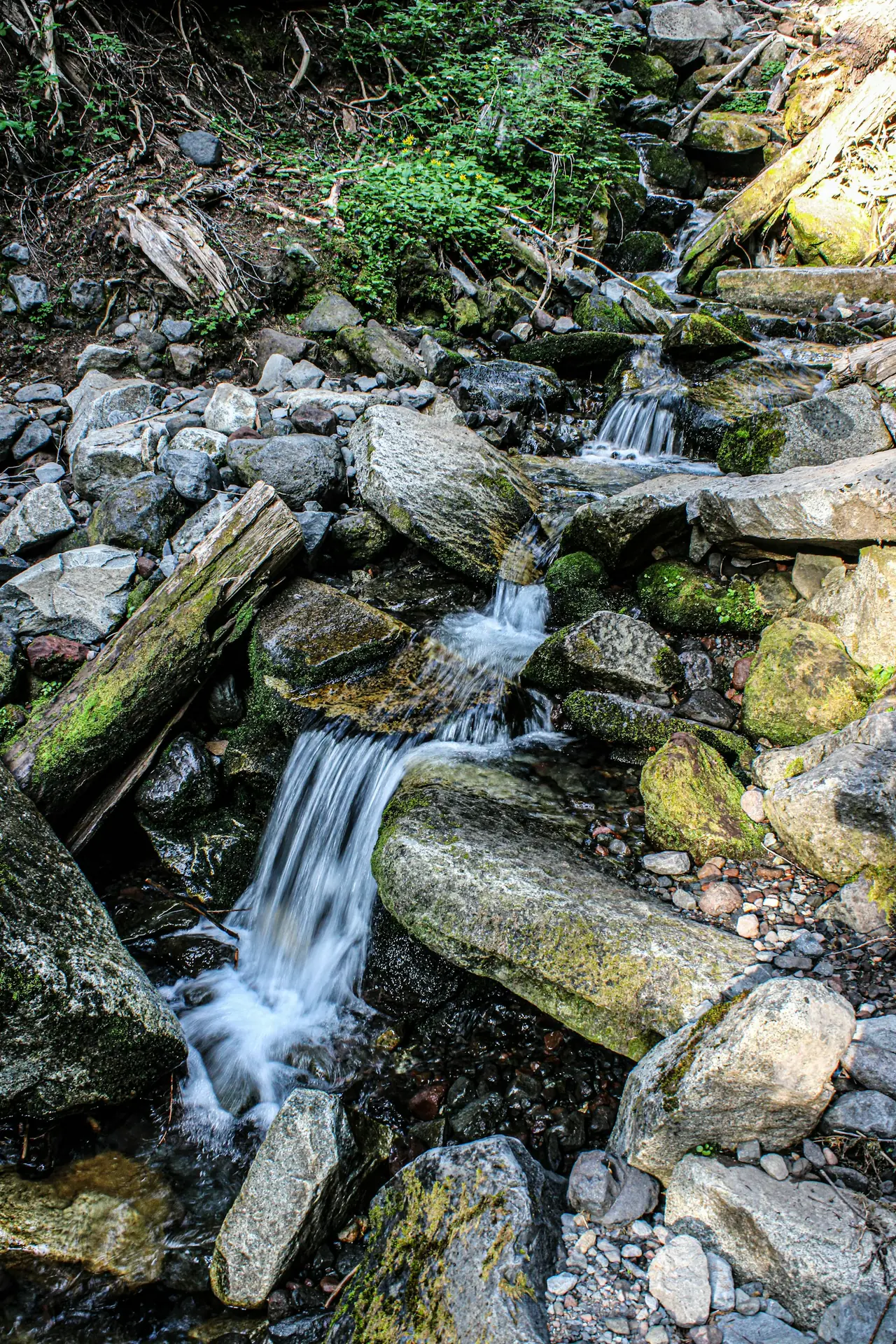
Creek bank restoration
Witta
Erosion control and native revegetation along a seasonal creek.
Same slope, eighteen months apart
A Montville backyard that washed out every wet season. Drag the handle to see what three sandstone walls and a lot of lomandra did to it.
- 01Three terraced beds instead of one eroding bank
- 02Subsoil drainage behind every wall
- 03Hardy natives on drip irrigation
What will grow on your block?
Tell us three things about the ground and we will draw it, then plant it with natives that suit. A starting point for the site visit, not a substitute for one.
The build
Natives we plant often
- Lomandra longifoliaSpiny-head mat-rush Holds a slope together with its roots and shrugs off wet and dry.
- Dianella caeruleaBlue flax lily Blue berries in summer and happy in most soils.
- Doryanthes palmeriGiant spear lily Native to this range, with a towering red flower spike every few years.
- Alpinia caeruleaNative ginger A rainforest understorey plant with blue fruit, made for shade.
- Banksia integrifoliaCoast banksia Salt tolerant, and a winter food source for honeyeaters.
- Cordyline petiolarisBroad-leaf palm lily Glossy rainforest foliage that lights up a shady corner.
- Grevillea 'Superb'Grevillea Flowers most of the year and brings the birds in.
- Westringia fruticosaCoast rosemary Takes salty wind and clips into a low hedge.
- Callistemon 'Little John'Dwarf bottlebrush Copes with wet clay better than most shrubs.
- Syzygium 'Resilience'Lilly pilly A dense screening hedge, bred to resist the pimple psyllid.
- Austromyrtus dulcisMidyim A low, spreading shrub with speckled berries you can eat.
- Themeda triandraKangaroo grass A native grass that turns rust red through summer.
- Carex appressaTall sedge Loves the wet spots where clay holds the water.
- Hibbertia scandensGolden guinea flower Scrambles over banks and walls with big yellow flowers.
- Myoporum parvifoliumCreeping boobialla A flat, fast mat that keeps the soil covered.
- Viola banksiiNative violet A soft carpet for damp, shady ground.
- Blechnum cartilagineumGristle fern A tough native fern for under the trees.
What we do
Design, build and upkeep, usually all three, by the same small crew.
-
01
Design
- Site assessment covering levels, drainage and sun
- Planting plans suited to hinterland soil and rainfall
- Drawings ready for council if your project needs them
-
02
Build
- Sandstone and timber retaining walls
- Decks and screens in spotted gum and hardwood
- Paths, steps and drainage that cope with summer storms
- Native and low-water planting
- Irrigation, installed and tested
-
03
Look after
- Seasonal maintenance visits
- Pruning, weeding and mulching
- Irrigation checks before summer
From first visit to finished garden
Site visit
We walk the block with you, check levels, drainage and sun, and talk through how you want to use the space.
Design and quote
You get a plan and an itemised quote. Nothing starts until you have agreed to both.
Build
We work in stages so you always know what is next, and leave the site tidy at the end of each day.
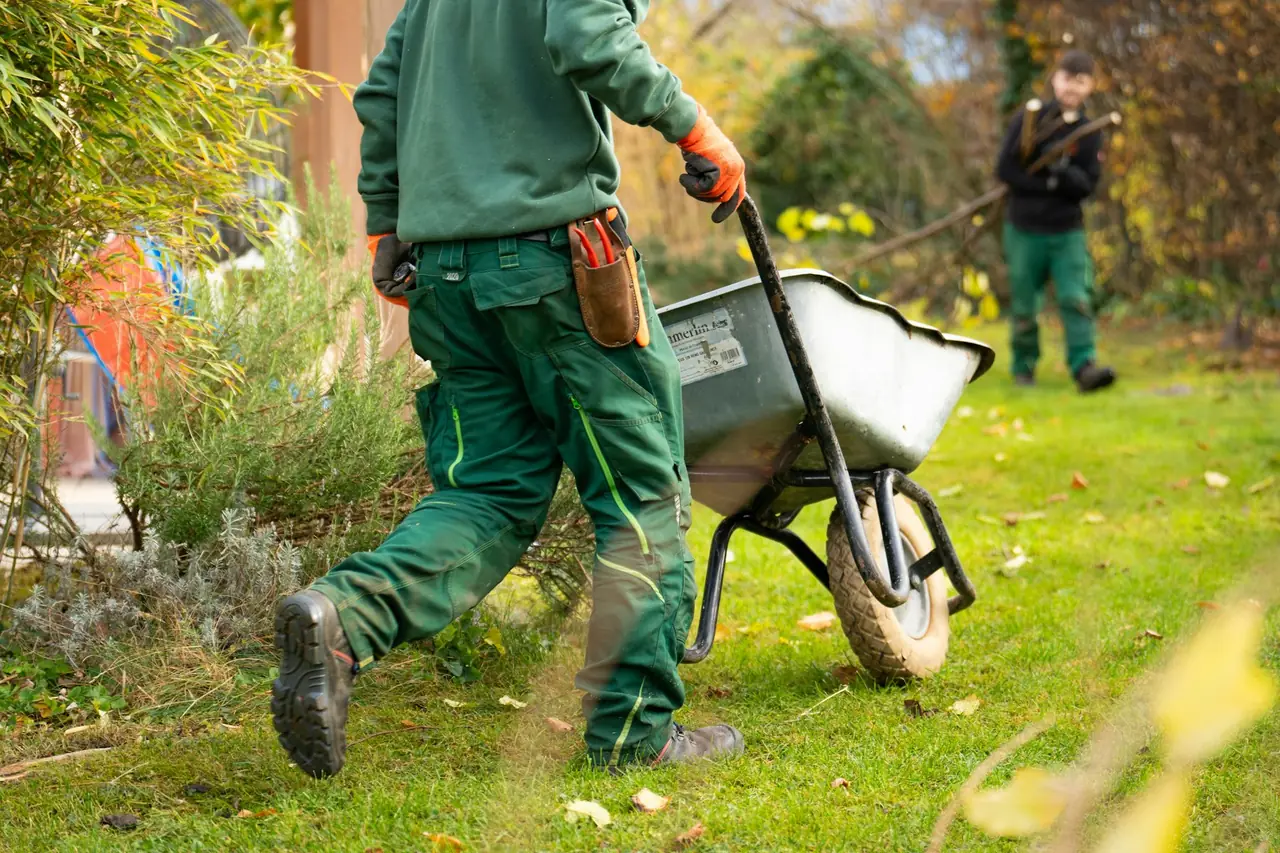
A small crew, on site every day
Fernhill is a small landscaping crew based in Maleny. The people who design your garden are the same people on site building it, so nothing gets lost between the plan and the shovel.
Hinterland blocks bring their own problems: steep slopes, clay soil and heavy summer rain. Most of our work is about solving those properly, so the garden still looks right after its first wet season.
Where we work
Based in Maleny, working across the hinterland and down to the coast. Further afield? Ask, and we will tell you straight whether the drive makes sense.
Up on the range
- Maleny
- Montville
- Mapleton
- Flaxton
- Witta
- Conondale
Down on the coast
- Buderim
- Mooloolaba
- Caloundra
- Kawana
- Sippy Downs
What clients say
Hinterland and coastal homeowners, in their own words.
Sample reviews, written for this demo
They talked us out of the expensive option and into the right one. The garden looks like it has always been there.
Turned up every morning at seven, left the site spotless every afternoon. The walls are rock solid.
Our deck is now the favourite room in the house. The spotted gum has come up beautifully.
Took a little longer than planned because of rain, but they kept us in the loop the whole way.
Finally a dry yard after a summer storm. Should have called them years ago.

They fixed the drainage problem two other landscapers walked away from, and the terraced beds have handled every storm since. We actually use the backyard now.
Questions we get asked
Still wondering? Ask us at the site visit.
Do you charge for the site visit?
No. We walk the block, talk through what you want and send an itemised quote afterwards.
Do retaining walls need council approval?
Taller walls and walls near boundaries often need engineering and approval. We check your block at the site visit and handle the paperwork if it is needed.
How long does a typical garden take?
Most projects take between one and four weeks on site, depending on size and weather. Your quote includes a timeline.
Will native plants really survive a dry spell?
Chosen for your soil and installed with drip irrigation, most natives cope well once established. We tell you exactly what they need in the first summer.
Do you look after gardens after they are built?
Yes. Seasonal maintenance visits keep everything healthy, and the same crew who built it does the upkeep.
Request a site visit
Tell us a bit about the block and what you would like. We will call to book a time to come and walk it with you.
- (07) 5550 3184
- fernhill@example.com
- Based in Maleny, Sunshine Coast hinterland
- Site visits Monday to Saturday
Fernhill Landscapes Based in Maleny, working from the hinterland down to the coast.